Preamble: Not really my usual content, but I’m keen to get these information out into the world instead of sitting in my ‘Drafts’ forever.
One of the larger towns in the Peloponnese in Greece that I am familiar with is Napflio – nestled in the crook of the Gulf of Argolis, and a lovely neapolitan retreat with good food and a gorgeous old-town.
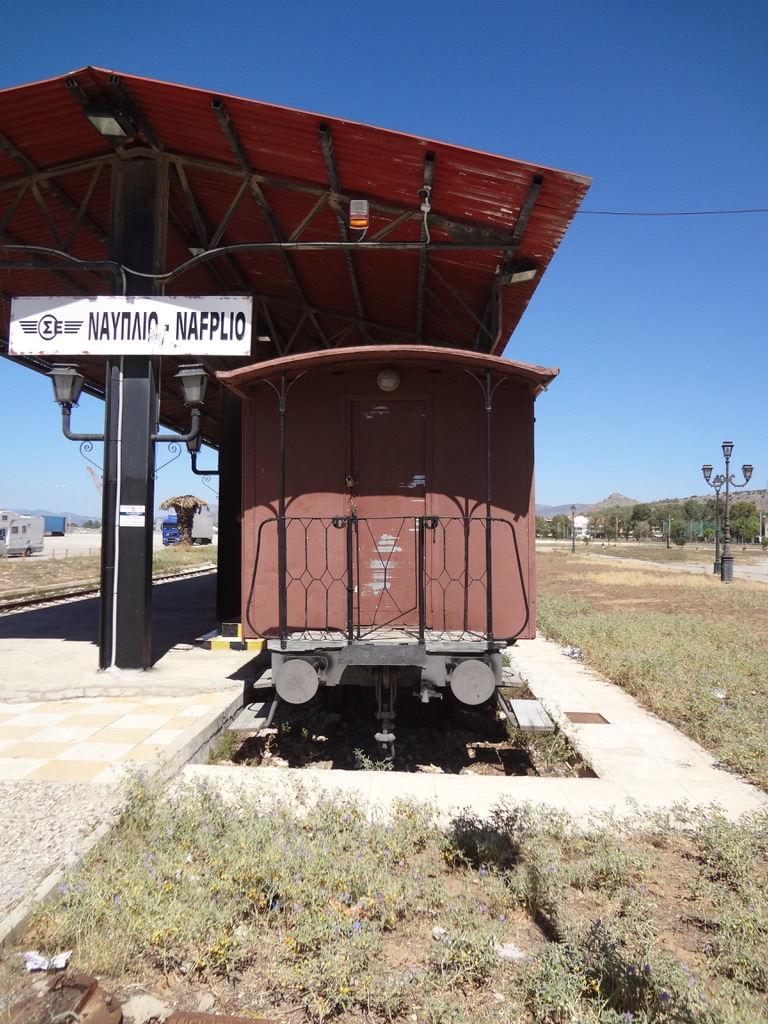
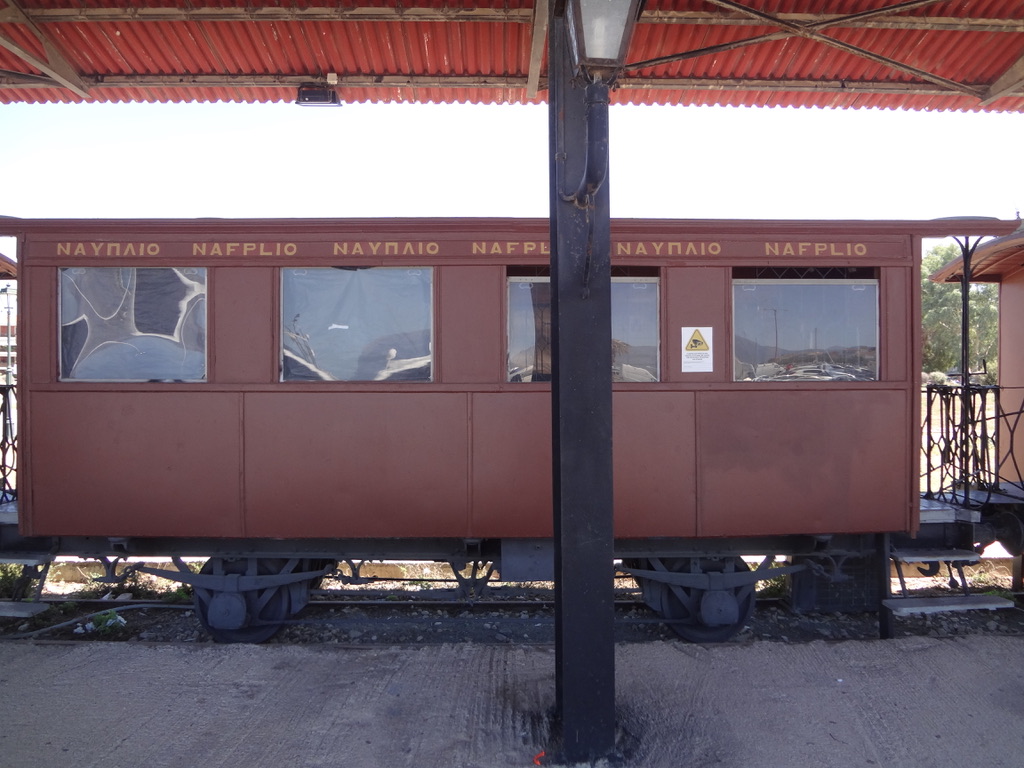
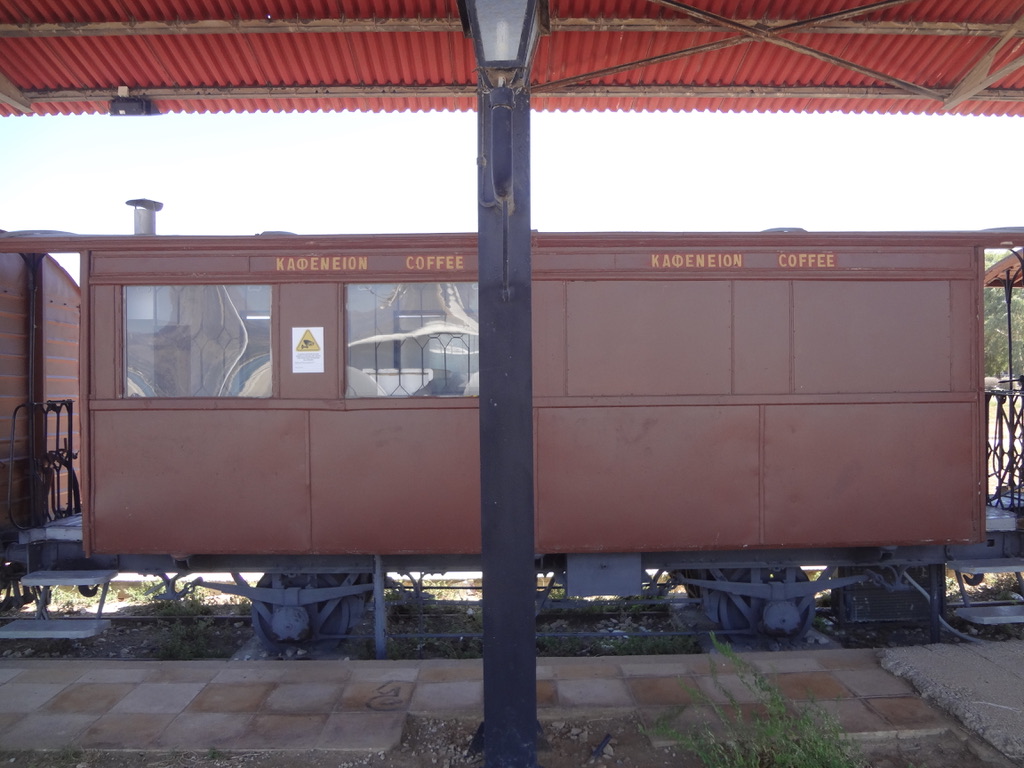
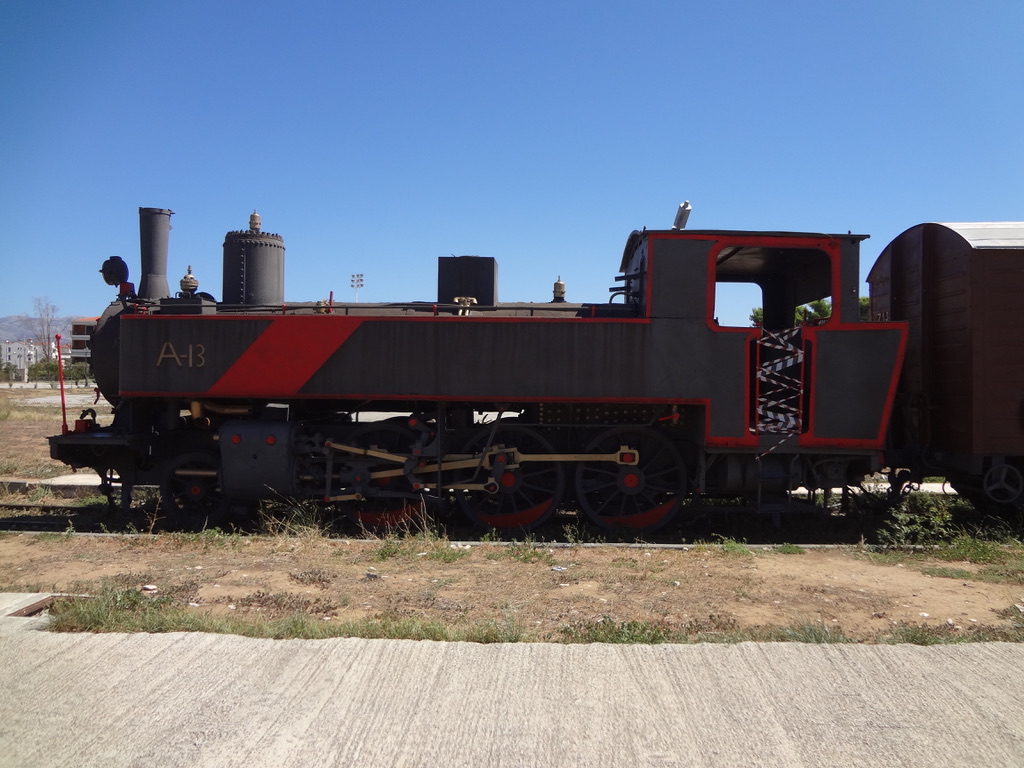
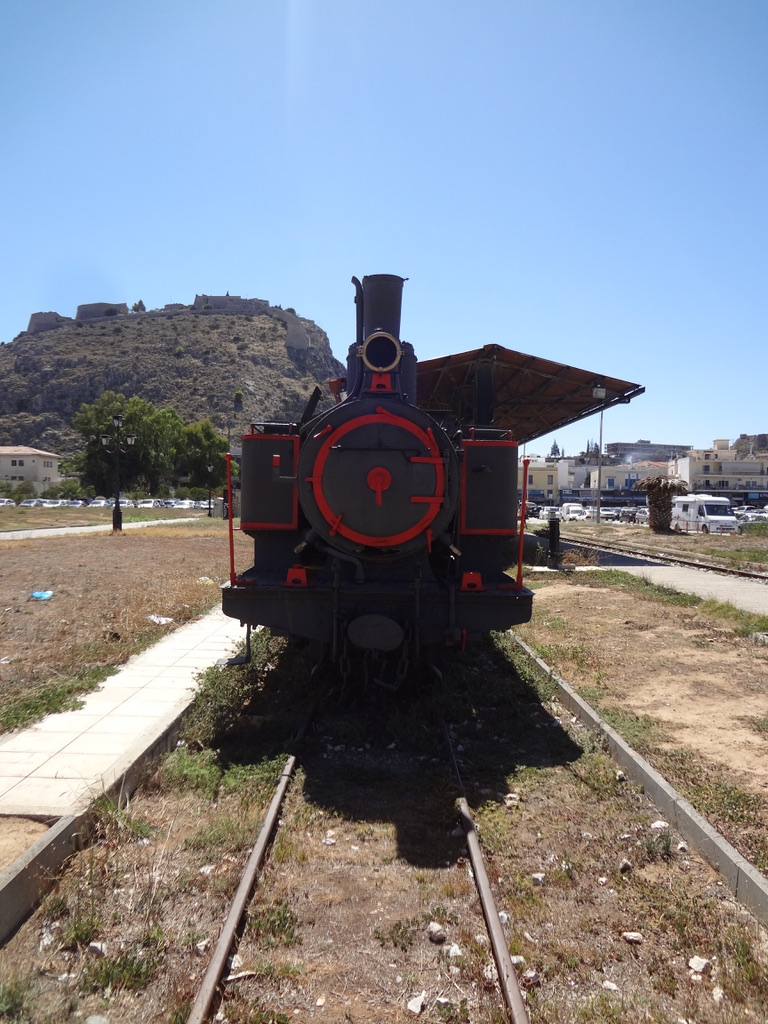
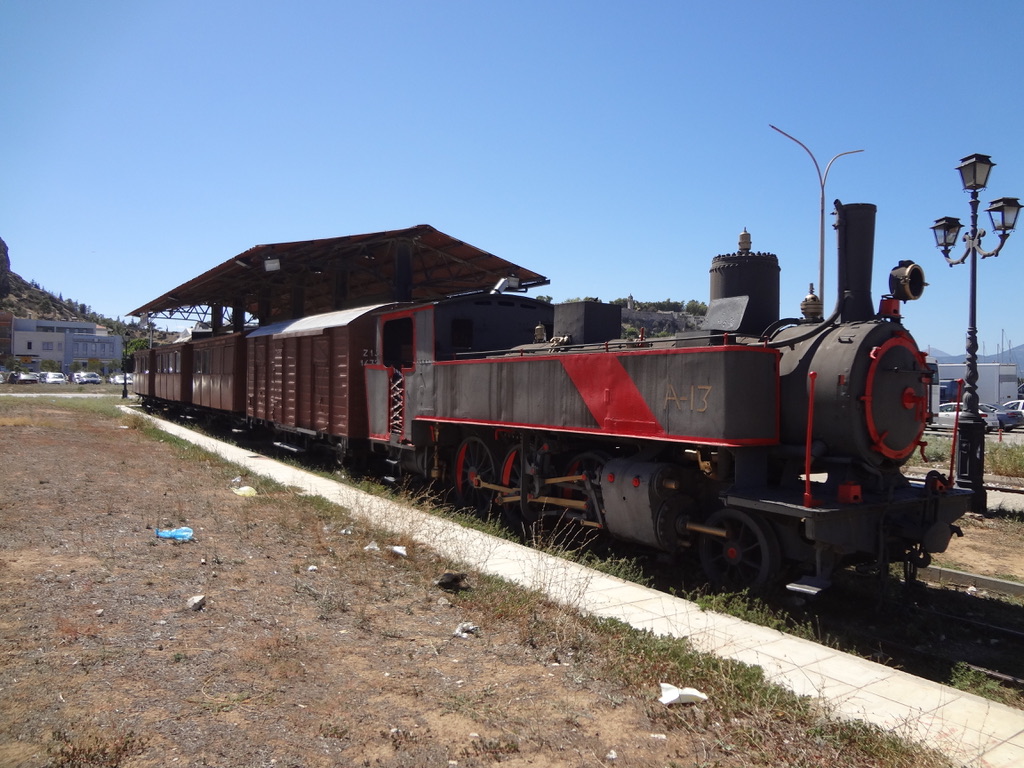
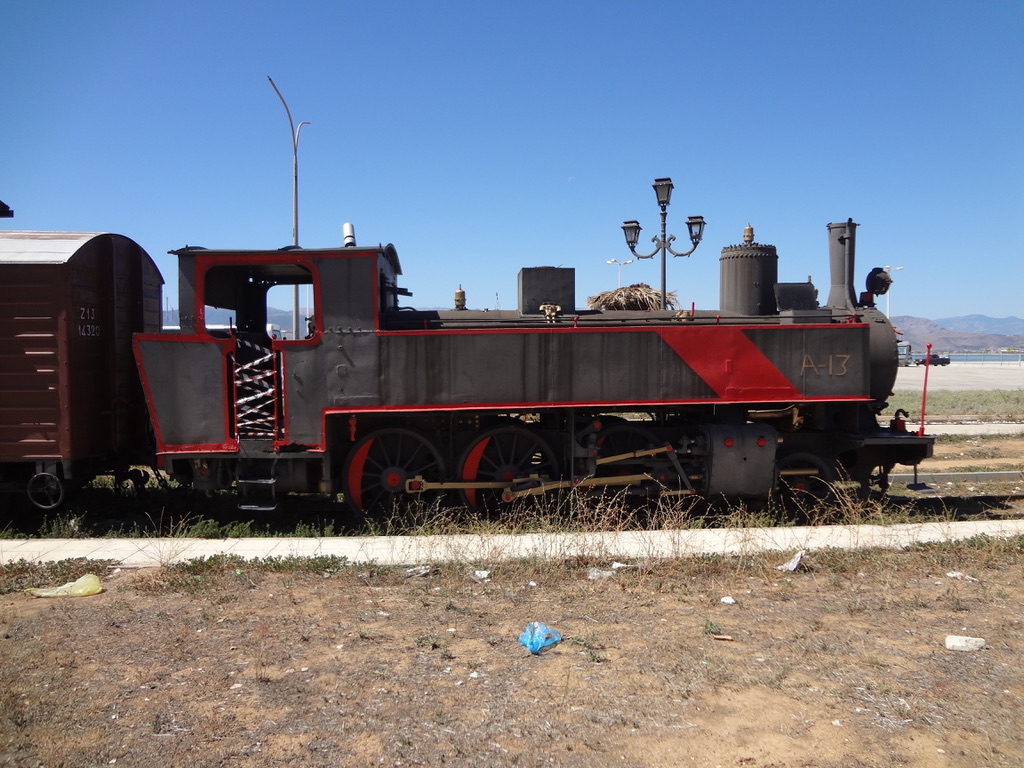
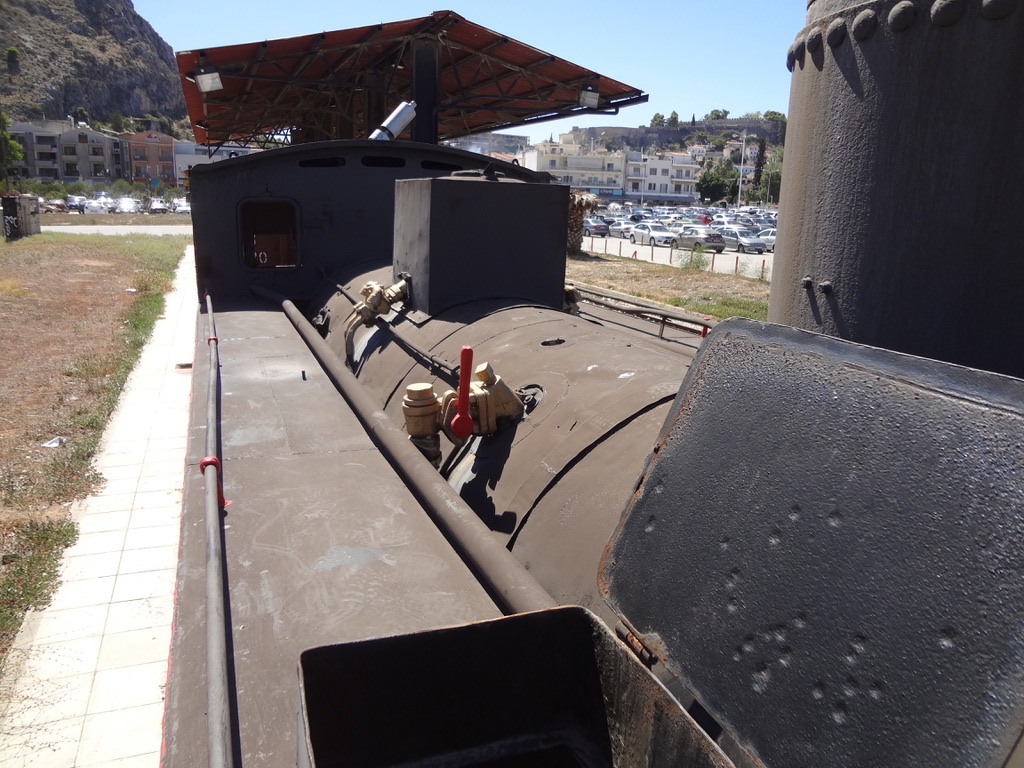
The usual parking place in Napflio is a large piece of hardstanding by the port, and adjacent this is a rather dilapidated looking shelter and some vandalised rolling stock.

Taking the modern train from Athens towards Corinth, you can see remnants of the meter gauge tracks running alongside the motorway, between buildings and over bridges – but no real beginning or end.

Up until now, I never really spent the time to find out about either of these things, and I’m hoping to set that right.
History
Though the original plans for railway development in Greece were centred around standard gauge, there was a strategic change of direction in 1882 which pushed for internal Greek development of more extensive, cheaper routes using a narrow gauge.
Of interest to this post, was a fairly comprehensive network of metre gauge track around the Peloponnese:

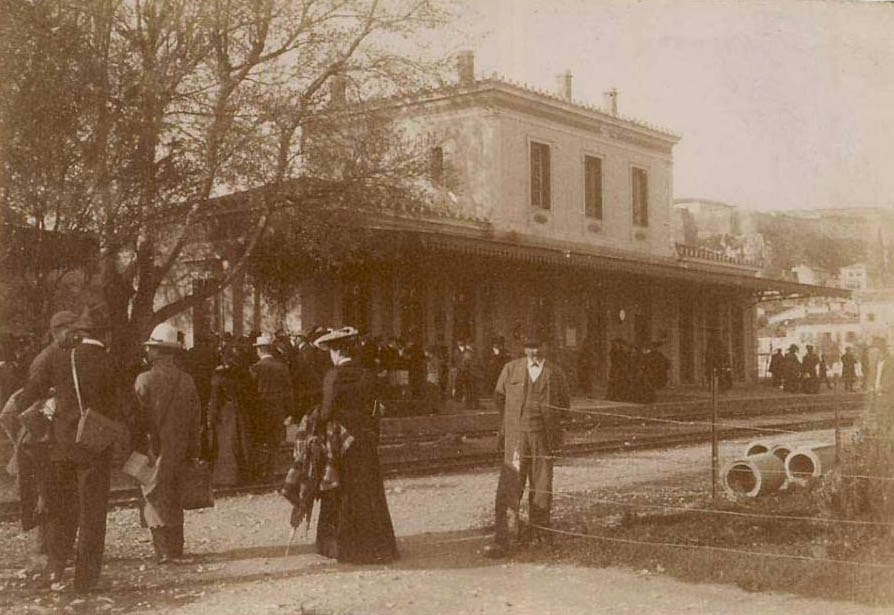
SPAP (Piraeus – Athens – Peloponnese Railways) operated the route between Athens and Napflio (and far beyond) as a private concern, before being nationalised in 1939 and formally absorbed by the Hellenic State Railways in 1954.
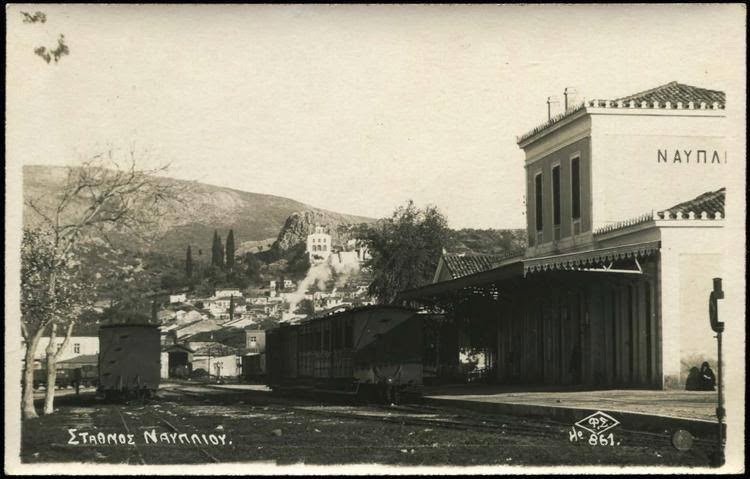
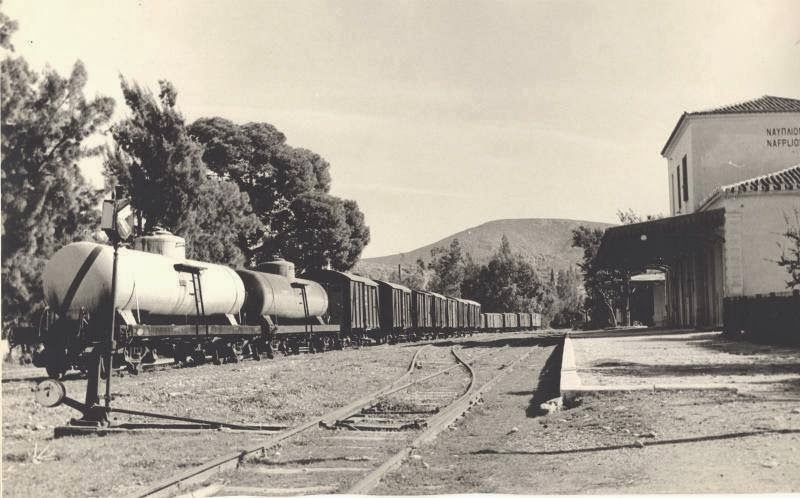
Passenger services continued until 1963, but freight services limped on until 1972 before the line was taken out of use.
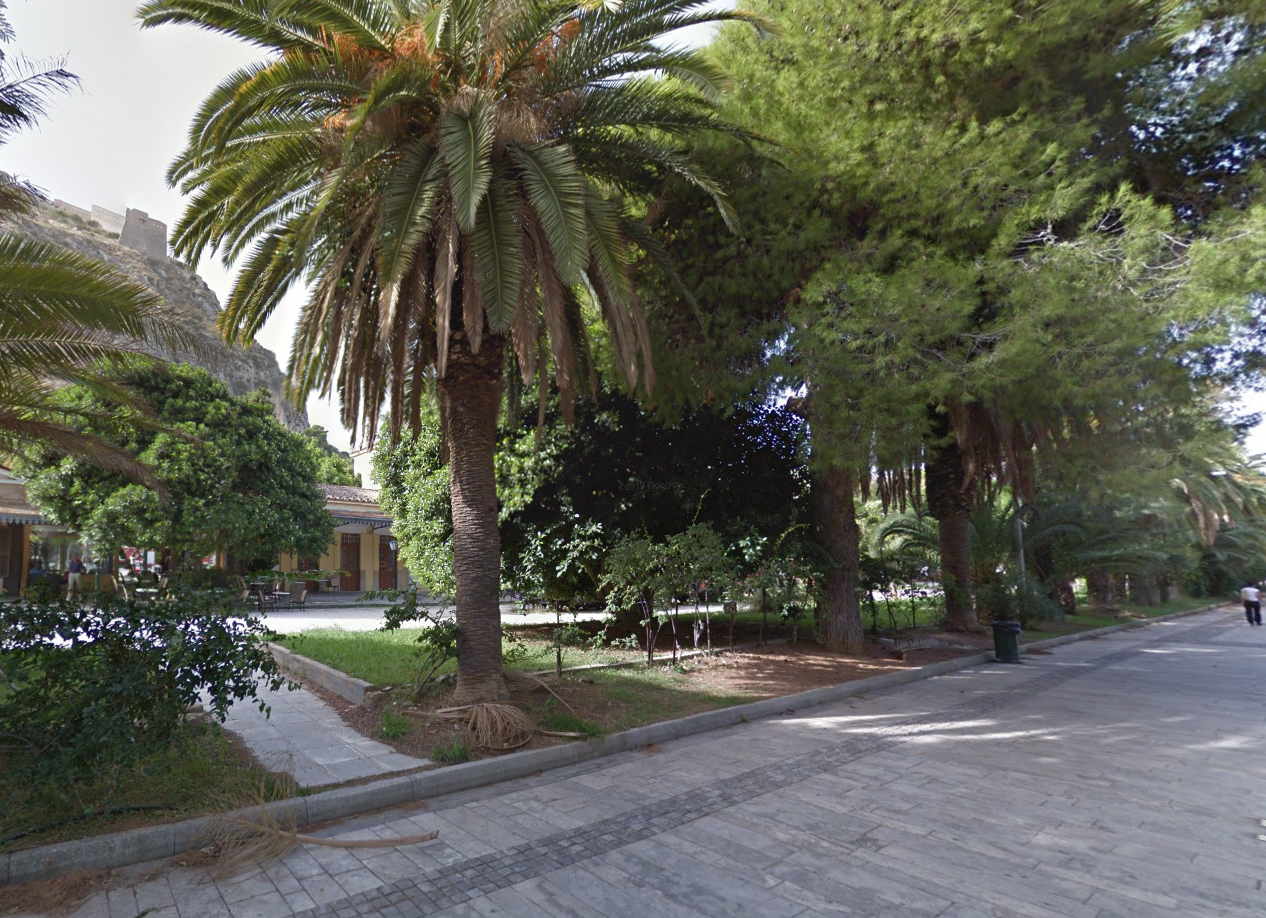
After final closure in 1972 the original site of Napflio station, it was donated to the City of Napflio and continues as a pleasure park area, though somewhat grotty – lots of graffiti and rubbish.
In 1992 a new narrow gauge station was built on the port, approximately 200m from the original site. In 1993 services commenced with twice-daily trains to Athens and four-times daily local trains to Corinth via Argos. Services halted in 2005 until 2009, and after a brief reinstatement (to Argos only) were suspended indefinitely in 2011 as a cost-cutting measure.
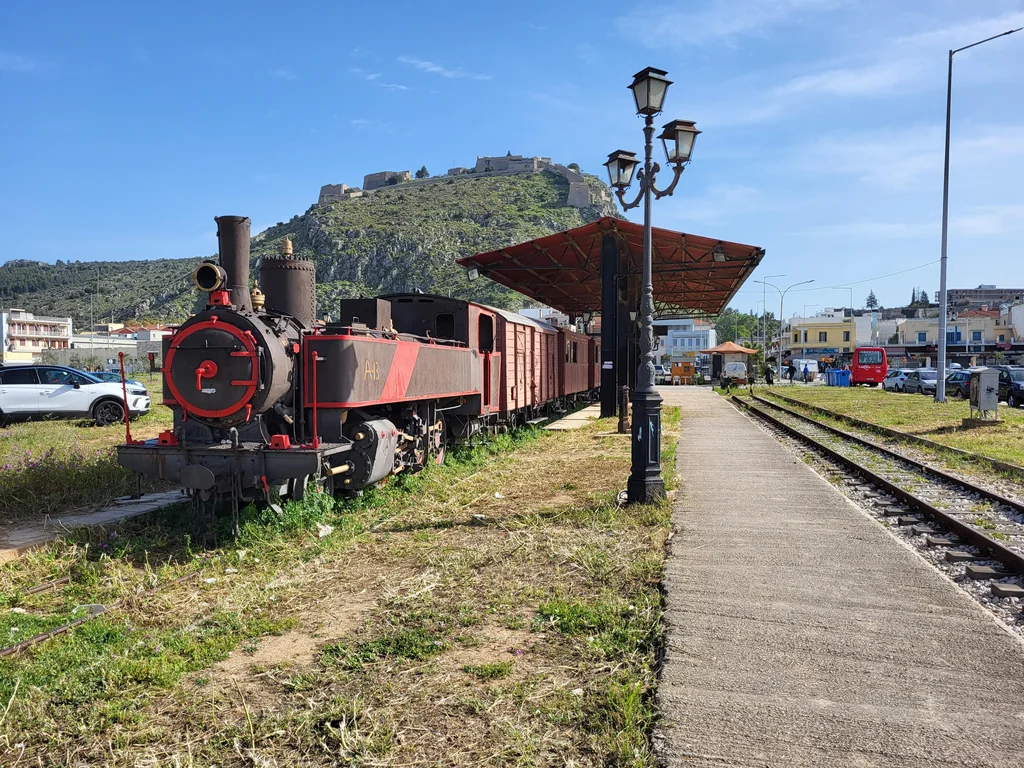
Unfortunately while there are ostensible plans to recommence services on the metre-gauge line, the sad reality is that this is unlikely to ever come to pass.
Thematic Photographs
There are a few nice photographs of the 1960’s and 1970’s showing the tail end of Steam on this metre-gauge line.
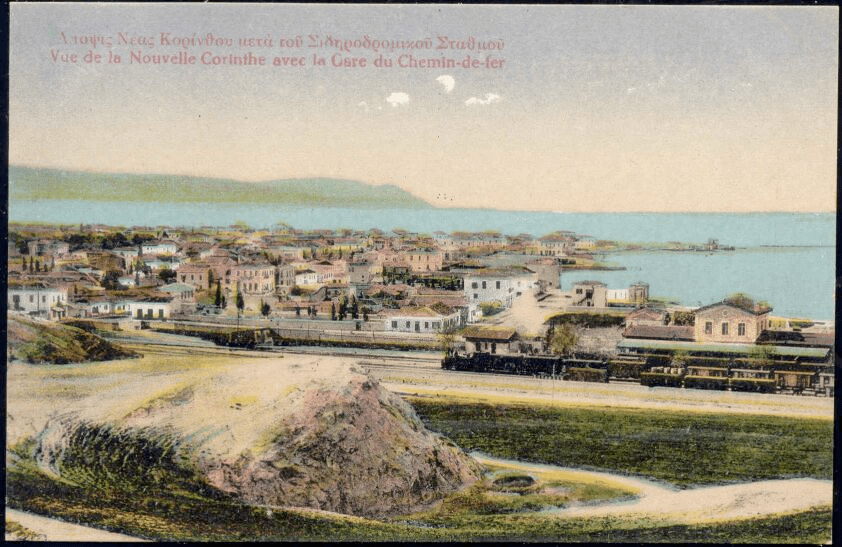
Corinth was less a major junction and more of a geographic bottleneck, and a few photographs show the ambience:

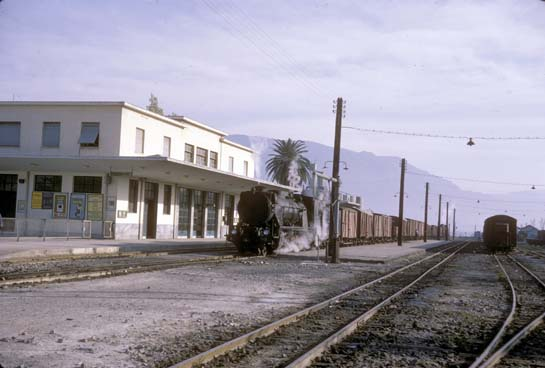
Due to the steep gradients on the line, there was often a need for banking engines, such as that depicted below:

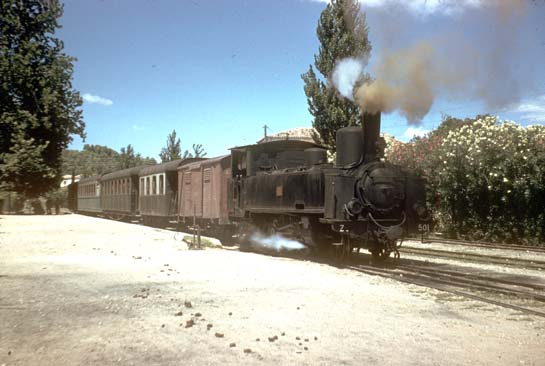
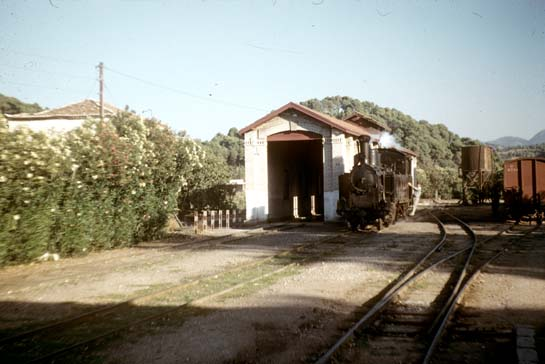
Depicting a smaller branch line on the same network, the following colour photos help show the palette of sun-bleached ground, greasy black engines and rails, endless blue skies and dark green foliage.
Rolling Stock
The majority of motive power utilised by the SPAP was built by German manufacturers, the most prevalent being Krauss 2-6-0T’s – but with representation of both Borsig and Henschel designs.
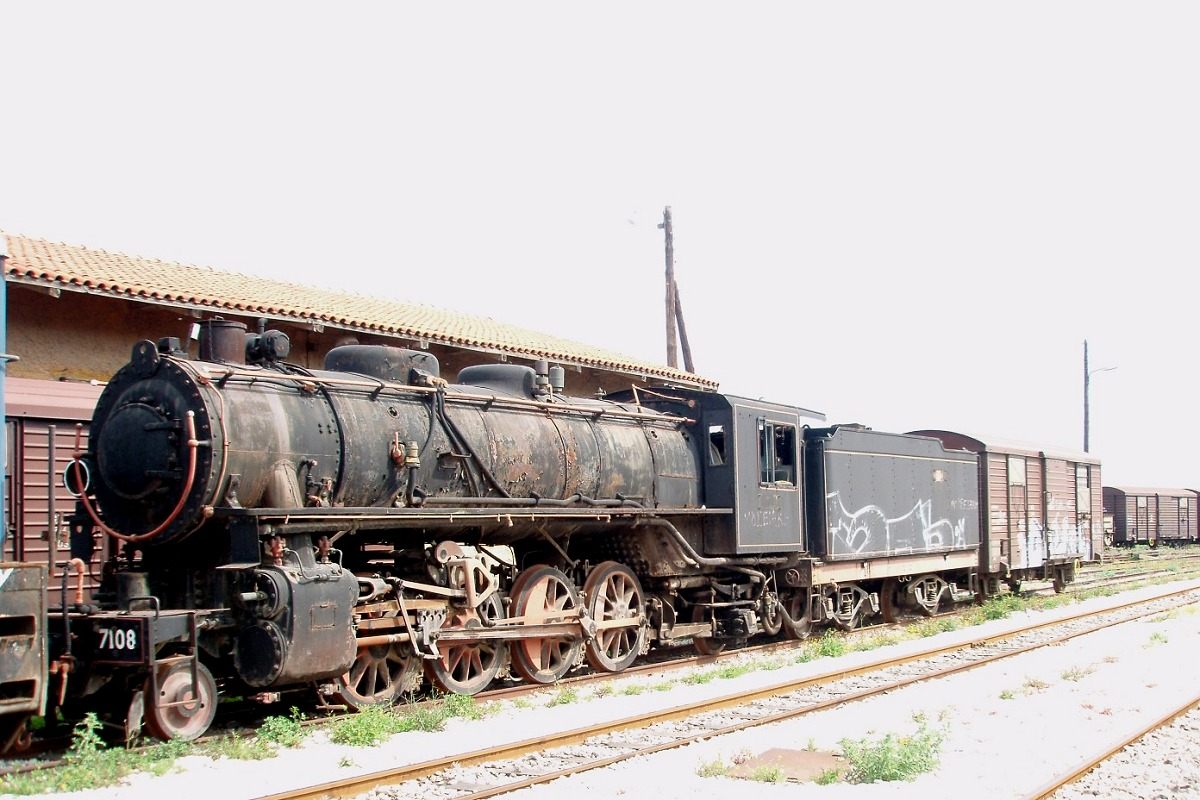
In later years both Japanese (Mitsubishi) and American (Alco) diesel-electric locomotives were used for motive power, as well as high-speed Italian (Breda) and French (Decauville) railcars though these never ventured towards Napflio themselves.
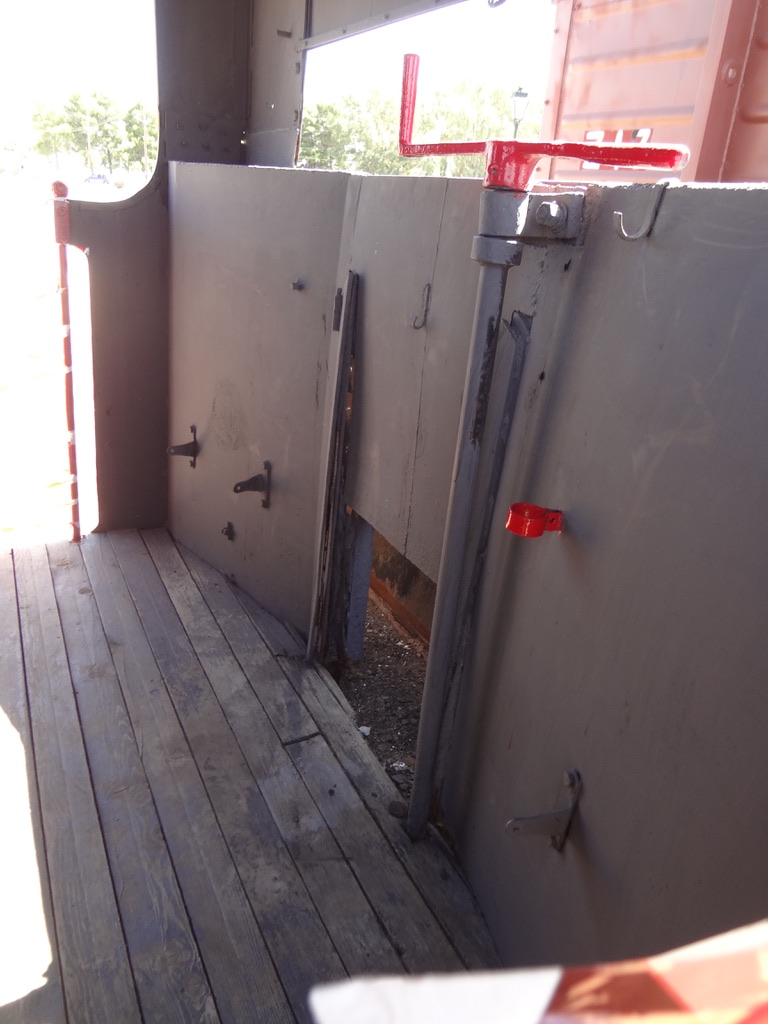
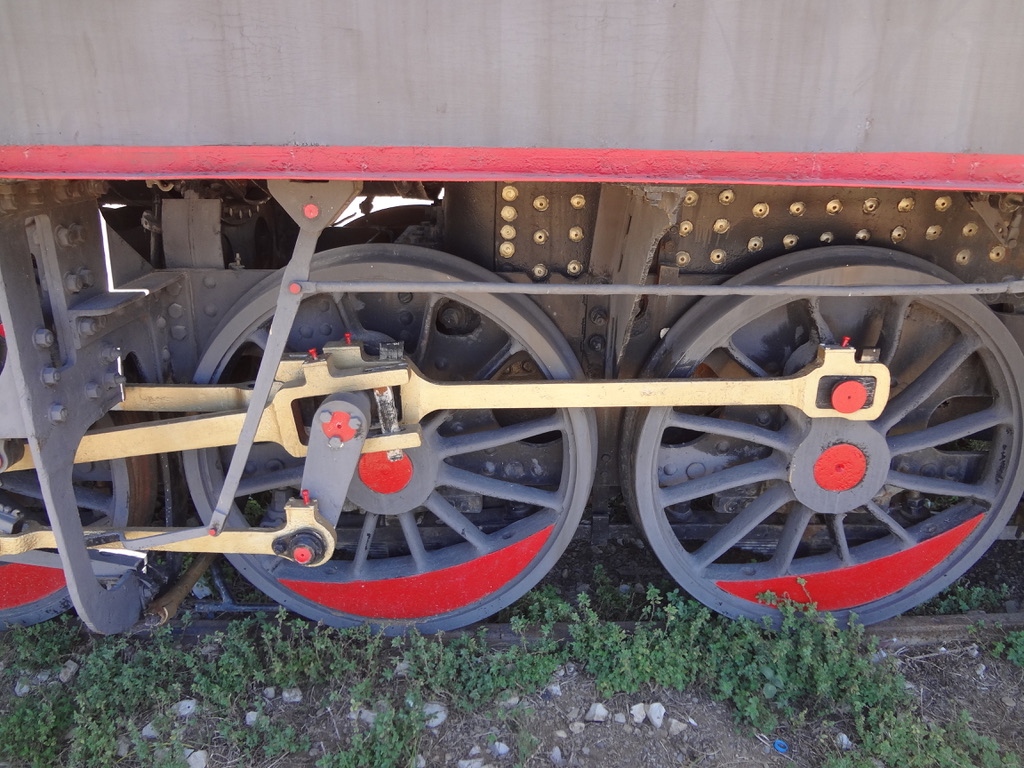
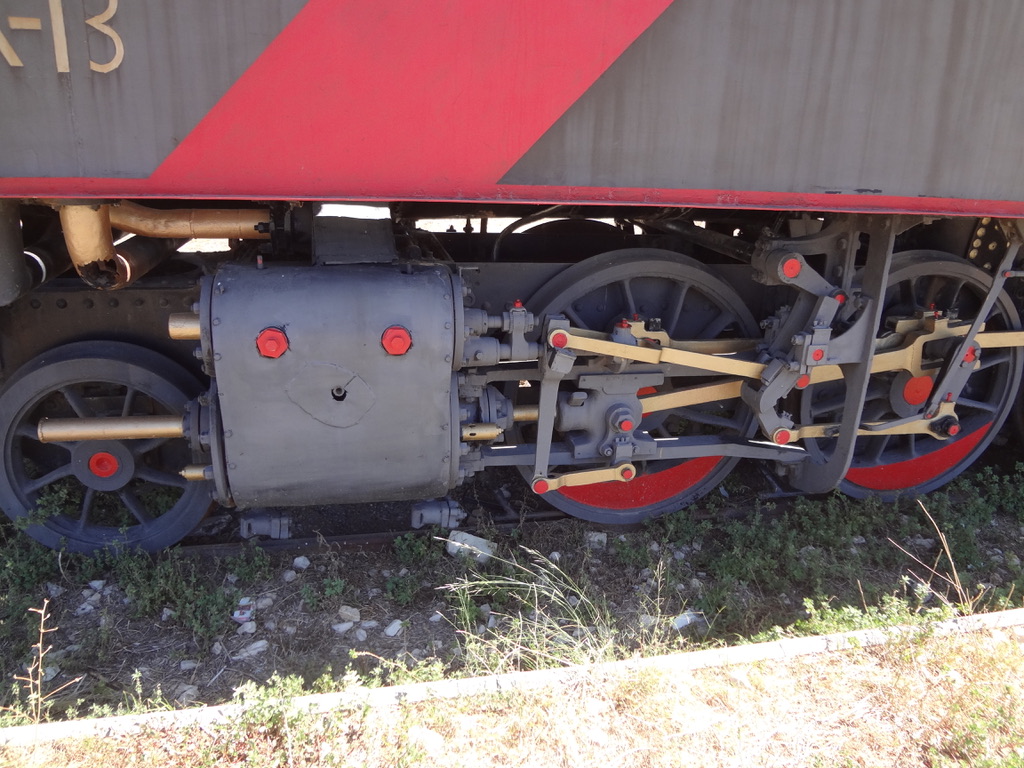
Some more assorted photos of the “New” Napflio station, showing a Krauss Z-class


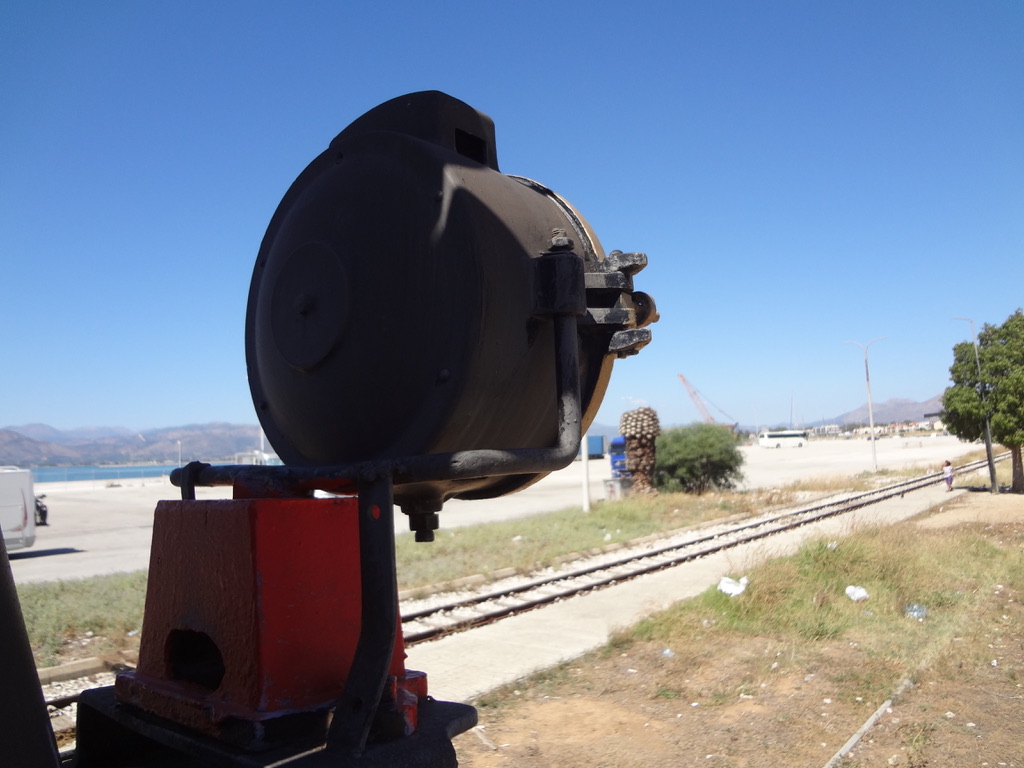
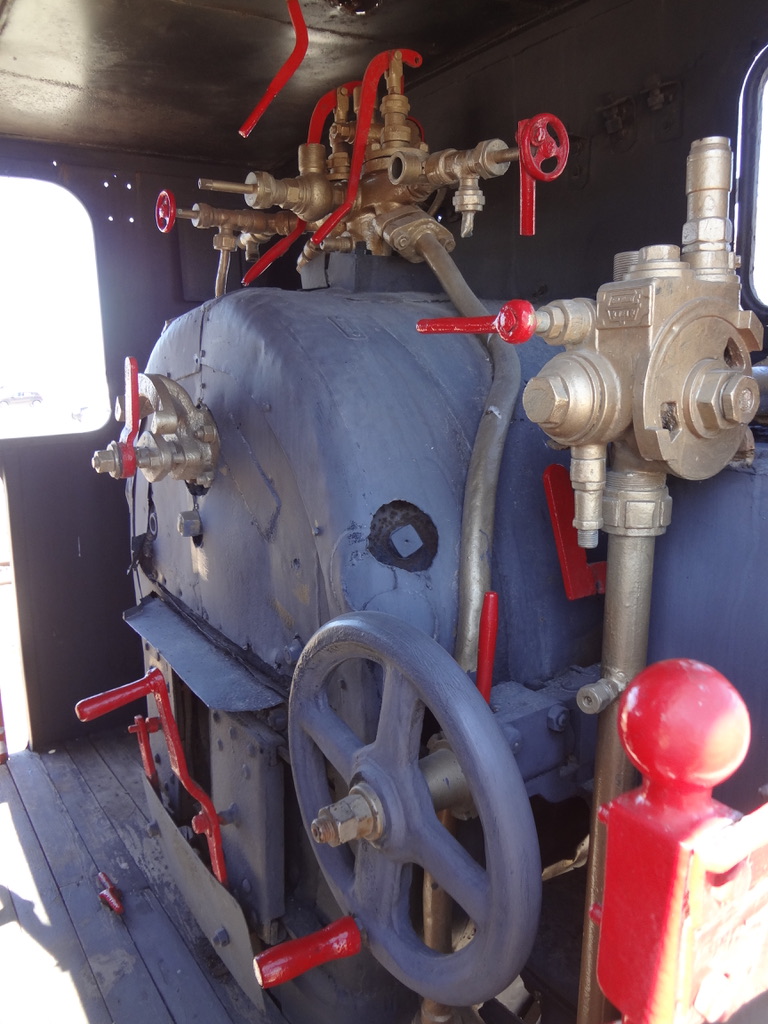

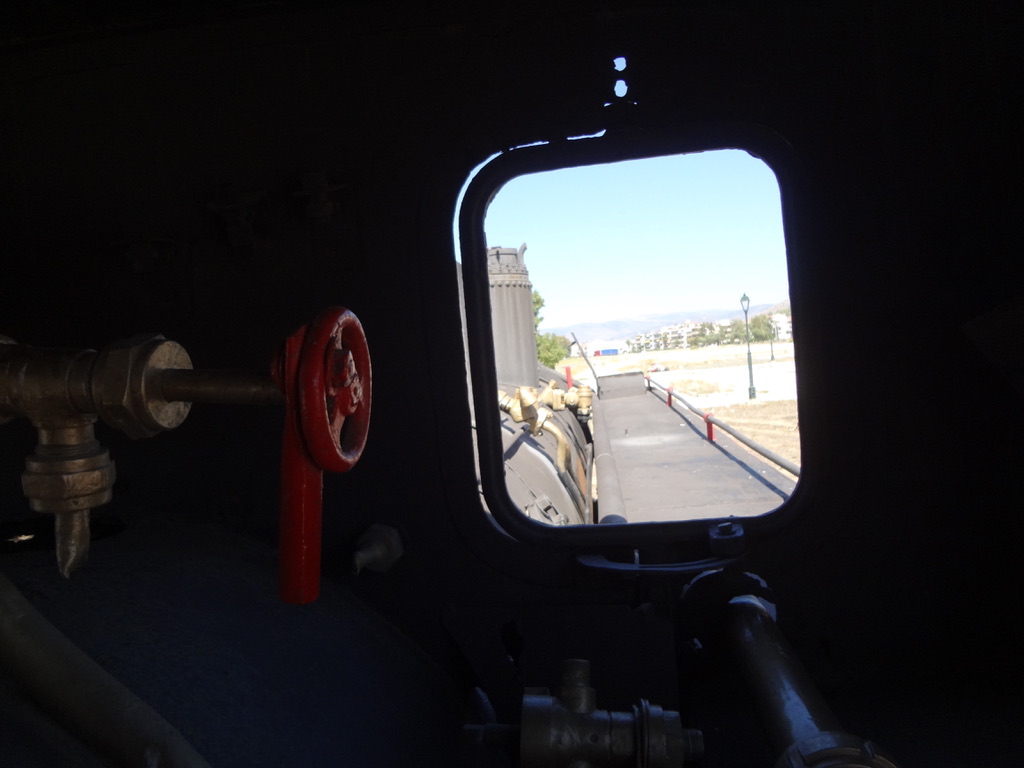
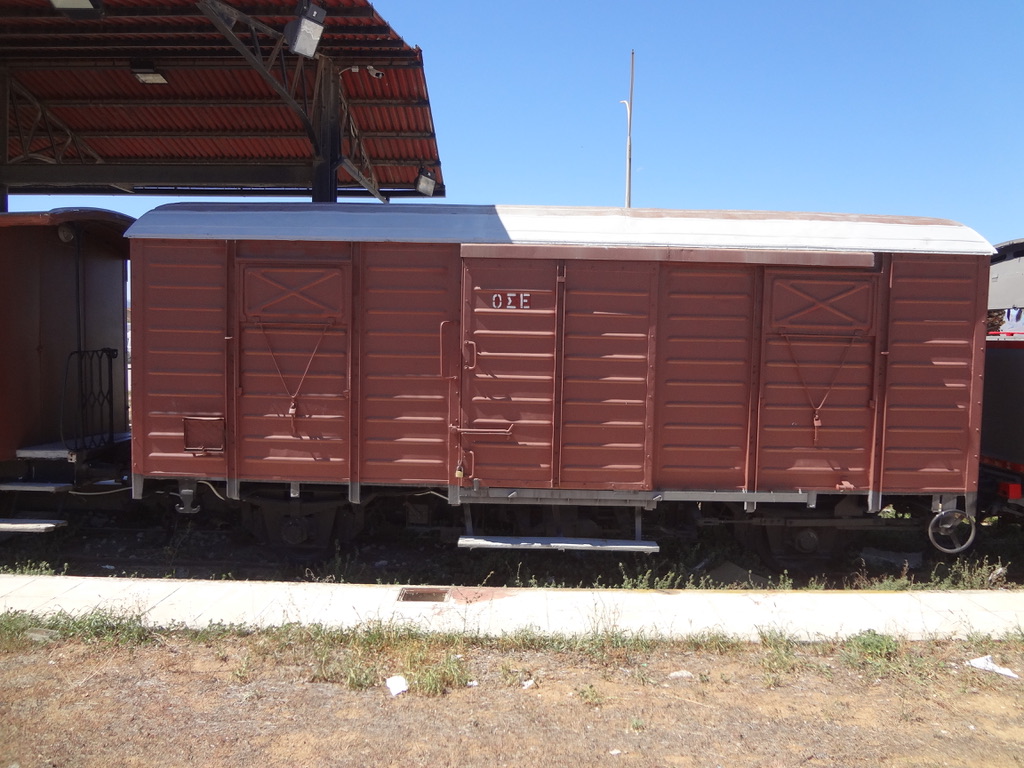
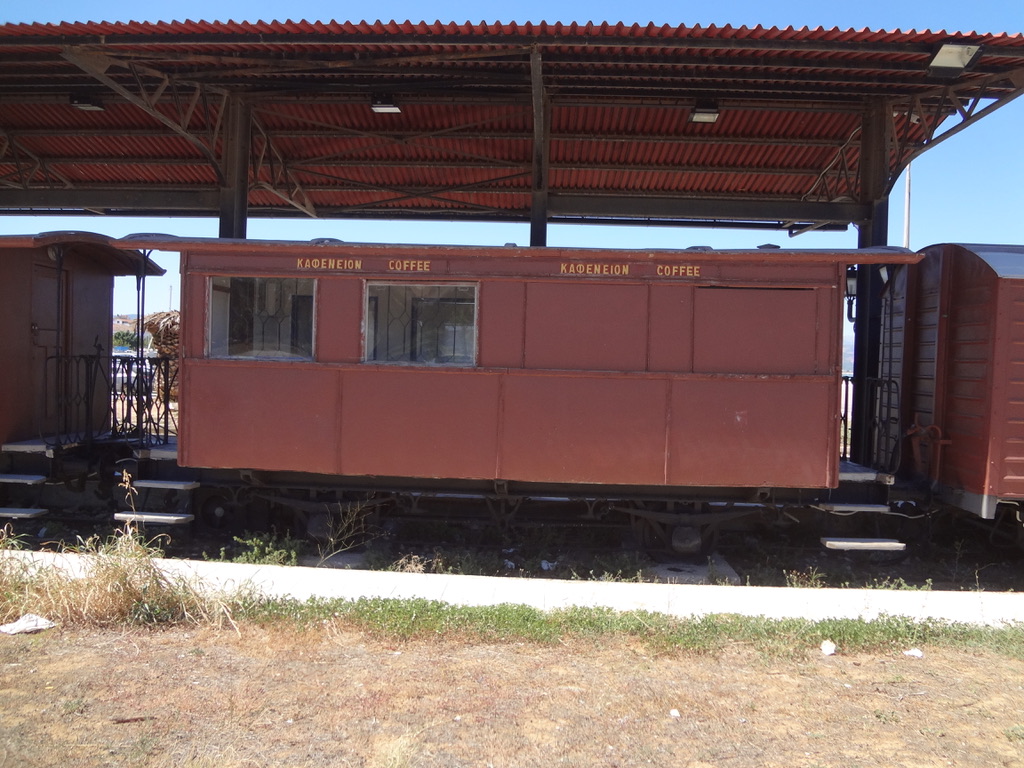
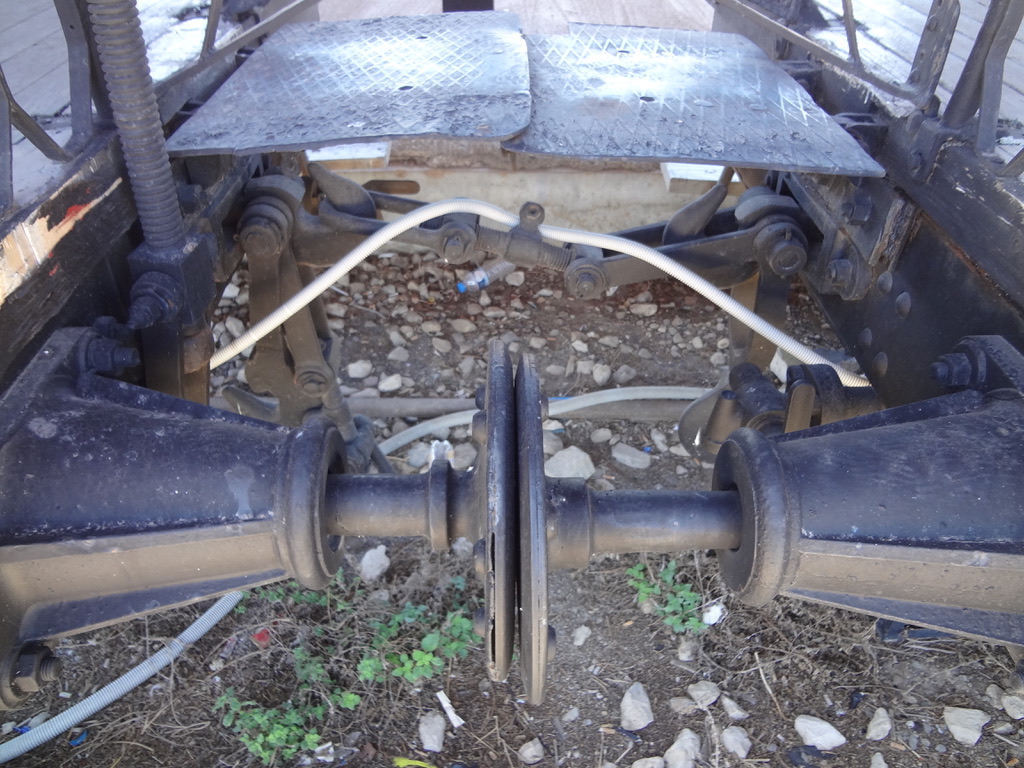
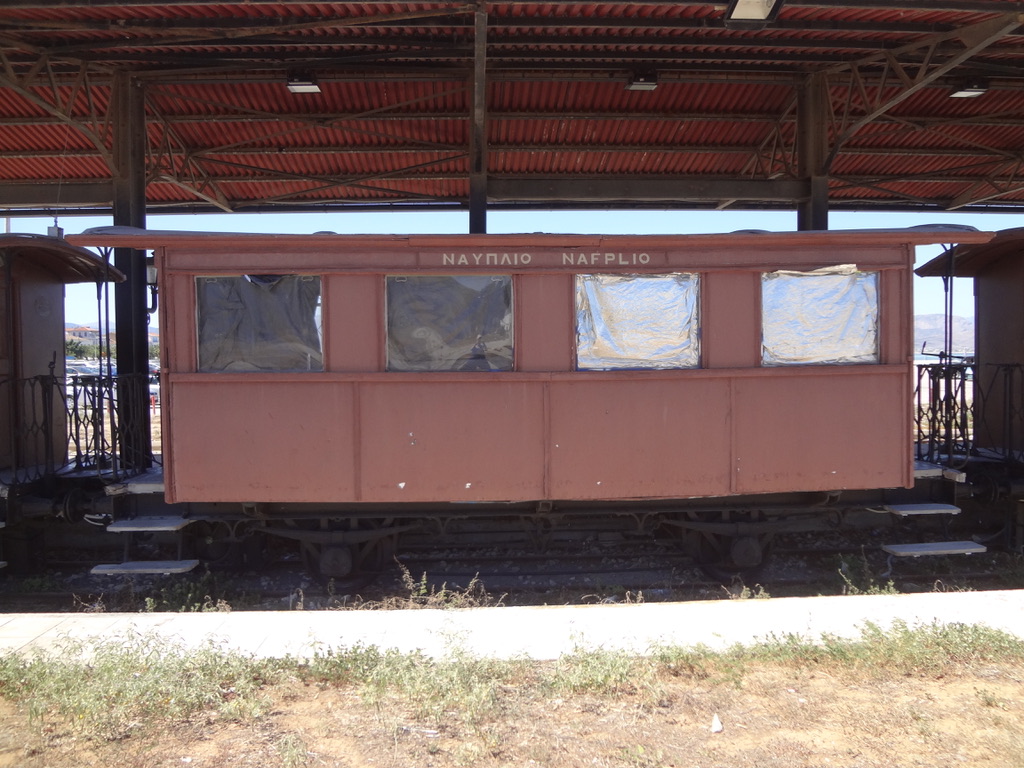
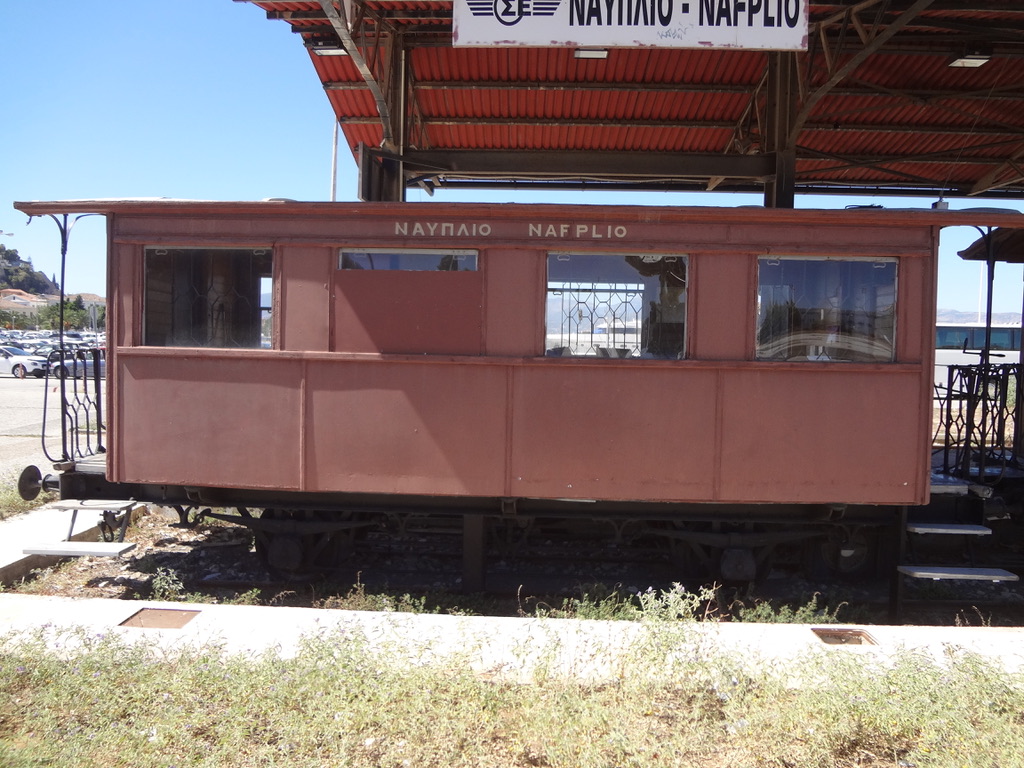
Layout Ideas
Although it would certainly be an involved project to scratch-build all of the stock for an authentic Greek metre-gauge layout, with no suitable H0m or 0m available to my knowledge. I think one would be better to take inspiration for Napflio for a more widely supported prototype.
Key Areas of Interest
Freight trains are relatively small – in the region of 8-10 wagons, and could theoretically justifying banking engines out of the station.
The layout could act as a reversing terminus – trains from the city either terminate outright and are remarshalled into carriage sidings/etc. or are split and continue onwards towards a secondary destination.
Mixed Trains are a possibility, to increase typical shunting operations per-train – but would then limit the geographical plausibility of the layout to where such trains were permissible under normal working conditions.
Though I cannot be sure from the photographic evidence, I believe box cars and flat cars would have been loaded at the station site, but tank cars would likely have been shunted to a separate siding. In the context of Napflio, this would almost certainly be a headshunt onto the port for trans-loading into ships to the various nearby islands.
 Interlocking
You must be logged in to post a comment.