Over the last few years, while I have enjoyed observing scenic model railways, my attention and interest has been drawn more and more into larger-scale model engineering and miniature railways.
My recent experiences with model railways have been rather dull – fiddling with DCC chips and wiring, fettling turnouts and little bits of ballasting. It’s simply not that enjoyable.
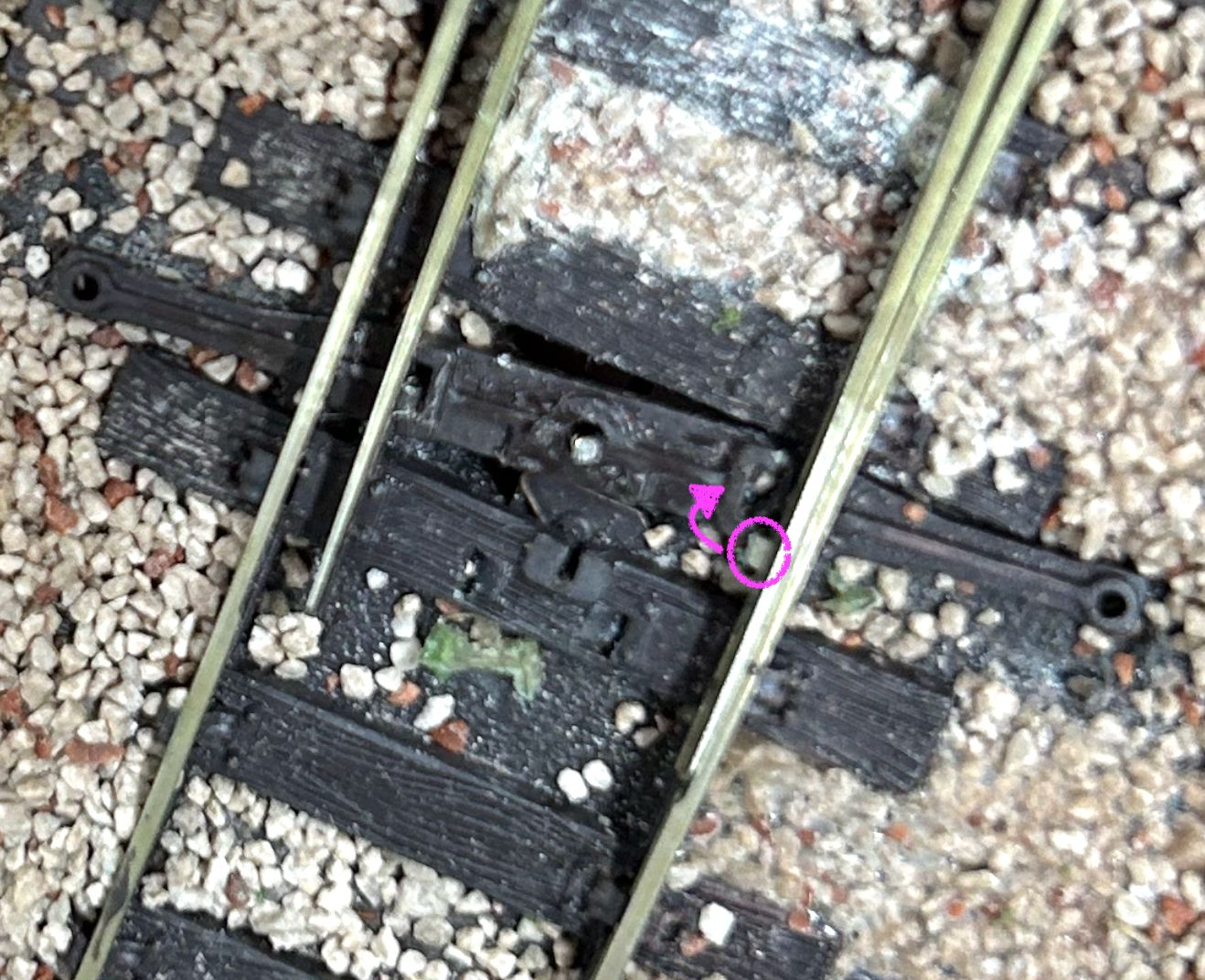
I’m not going to be making any rash decisions at this point, but after breaking a point blade on the layout I’m at a bit of a low ebb when it comes to small scale bits.
Initial Efforts in Gauge III
A few years ago, I got into Gauge III/2.5″ Gauge – pretty rare nowadays but one of the most common scales in the Edwardian period. It has some dedicated followers, and provides a nice intersection between raised running and driver-hauling – large enough to have a significant heft but small enough to be manhandled by a single person.
I started to build a modernised version of Curly’s most famous design “Ayesha”, a 4-4-2 Atlantic-type engine inspired by the GNR and LBSCR Atlantics of the 1910’s. The build series of my original engine is here, for the sake of posterity – as it was aborted after a rolling chassis was attained, for reasons I will not go into here:
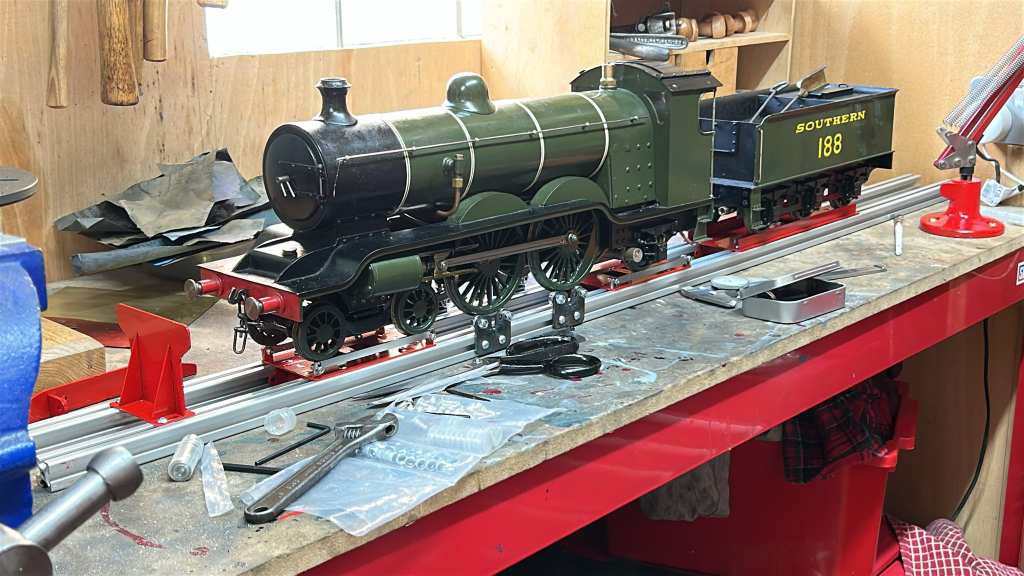
After a period, I discovered a nearby 2.5″ track at Worthing Model Engineering club and was inspired to purchase a 2.5″ Gauge LBSCR Atlantic. Rather than starting again, this felt like a reasonable purchase to get a running version of the engine I adore. The first run of this engine in my ownership is here:
Unfortunately, while I had a hydraulic cert the steam cert was expired so I couldn’t run it at Worthing.
A Dabble in Gauge 1
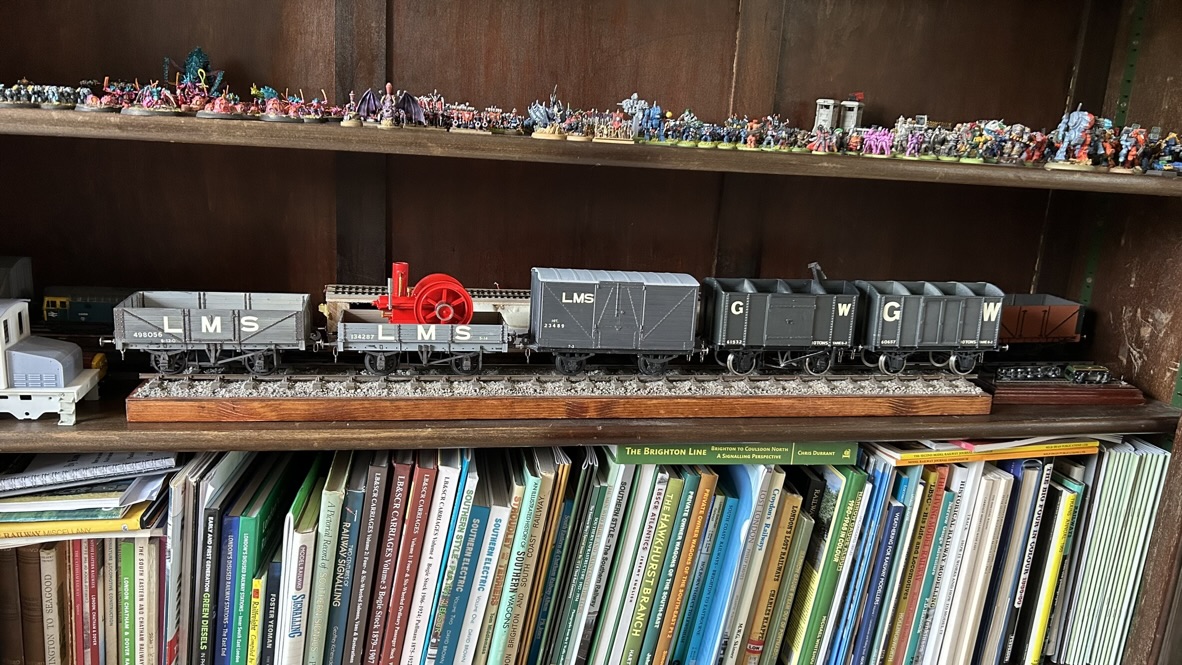
In the meantime I had purchased a 3D printer for some non model-engineering purposes, but after coming across a huge repository of Gauge 1 3D models online at G1-3D.uk, I gave it a bash (Gauge III being slightly too large for the print bed) and soon enough I had started to amass something of a roster:
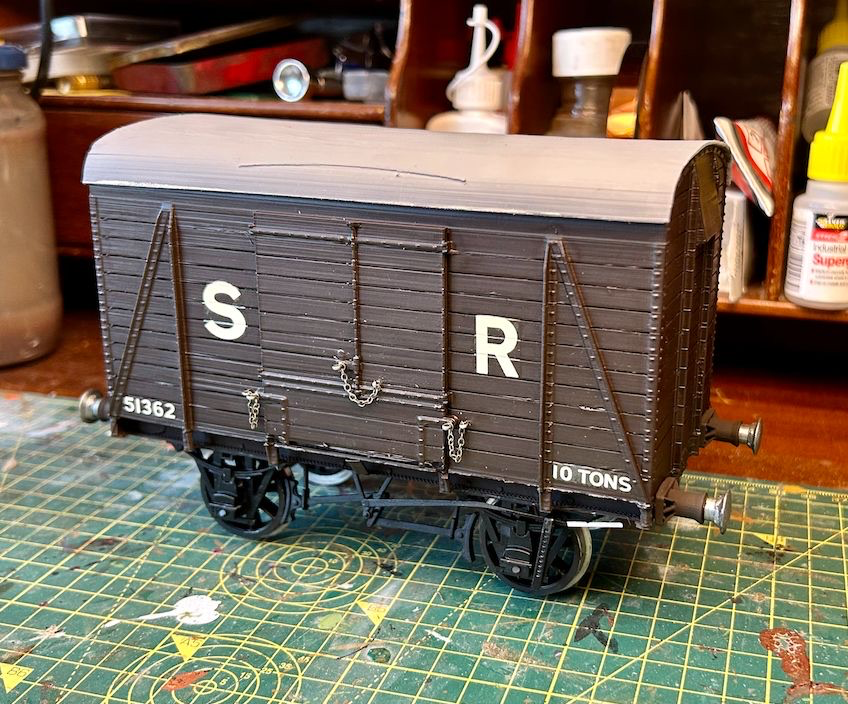
I turned my hand to designing my own models, the first being a SECR-built covered wagon, for which I was fortunate enough to gain some nice feedback on.
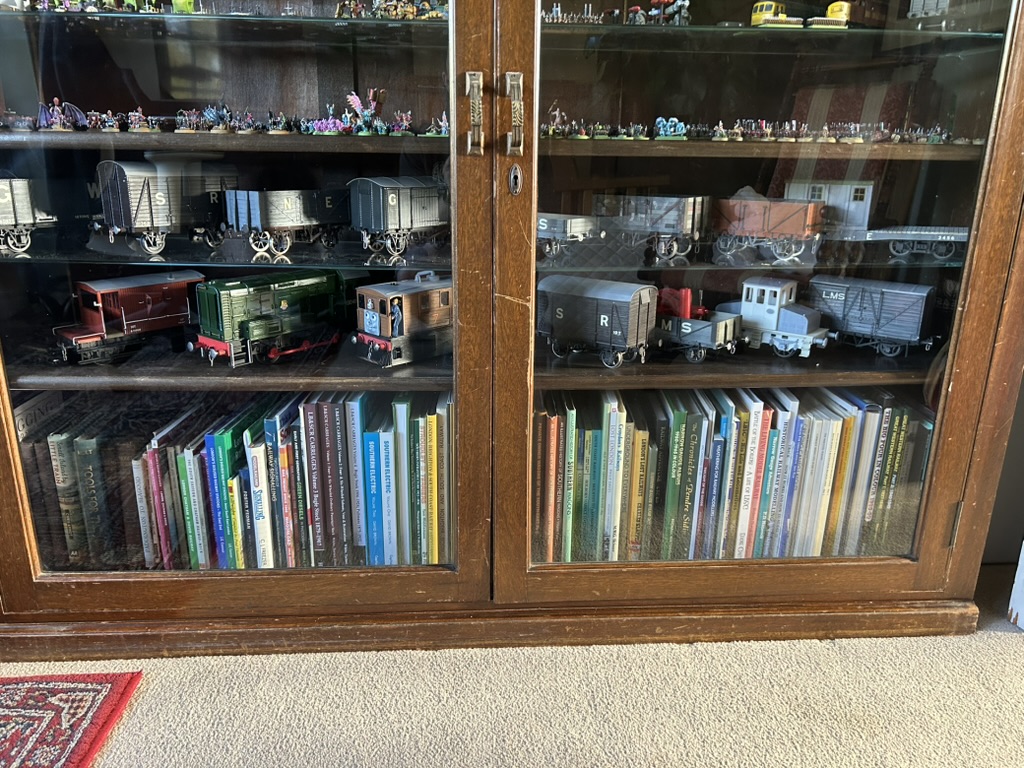
This resulted in a rake of wagons and a couple of locomotives built out of modern production means: laser cut plywood, 3D printing, CNC machining, coreless geared motors and sound-equipped remote control:
There’s an admirable democracy in the ability to use 3D printing and cheap proprietary parts for G1 and I think it is a great combination. That said, troubleshooting filament printers and mucking around with tiny Chinesium metric self-tapping screws is very much not a key interest.
I did pick up a few wood-and-metal wagon kits cheaply and was quite proud of this wagon, shown elsewhere on the blog:
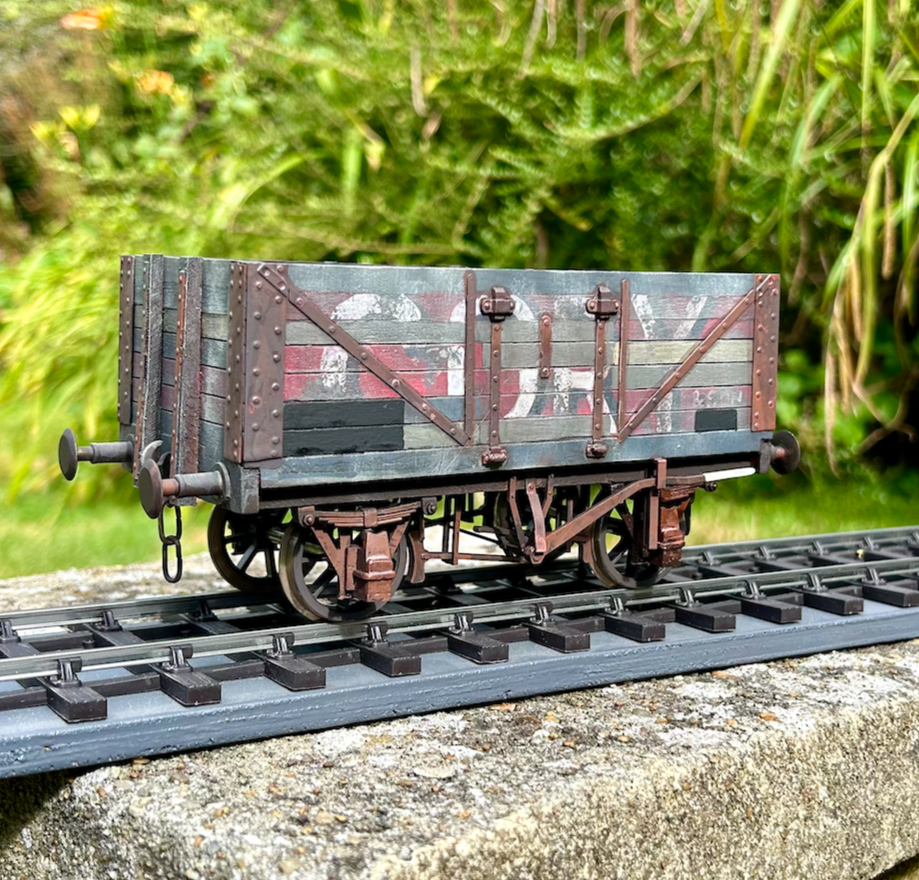
I don’t think I would ever have gotten into G1 at all were it not for the ease and affordability of 3D printing – even if it’s not my primary interest in the scale. One simply cannot not deny the affordability of a locomotive 18″ long whose only cost is some affordable geared motors (£2.75!) and RC equipment (£15!) or a wagon whose only expenditure is the silver steel rod used as axles.
Consolidation of Ideals
While this modern approach to G1 was refreshing, presenting what were effectively engineering challenges rather than those domain-specific problems relating to modelling – my real enjoyment comes from early 20th century modelling and I was inspired to buy a few compiled books of “Models, Railways and Locomotives” magazine published in the 1910’s.
These are such a wonderful window to period of experimentation and construction:
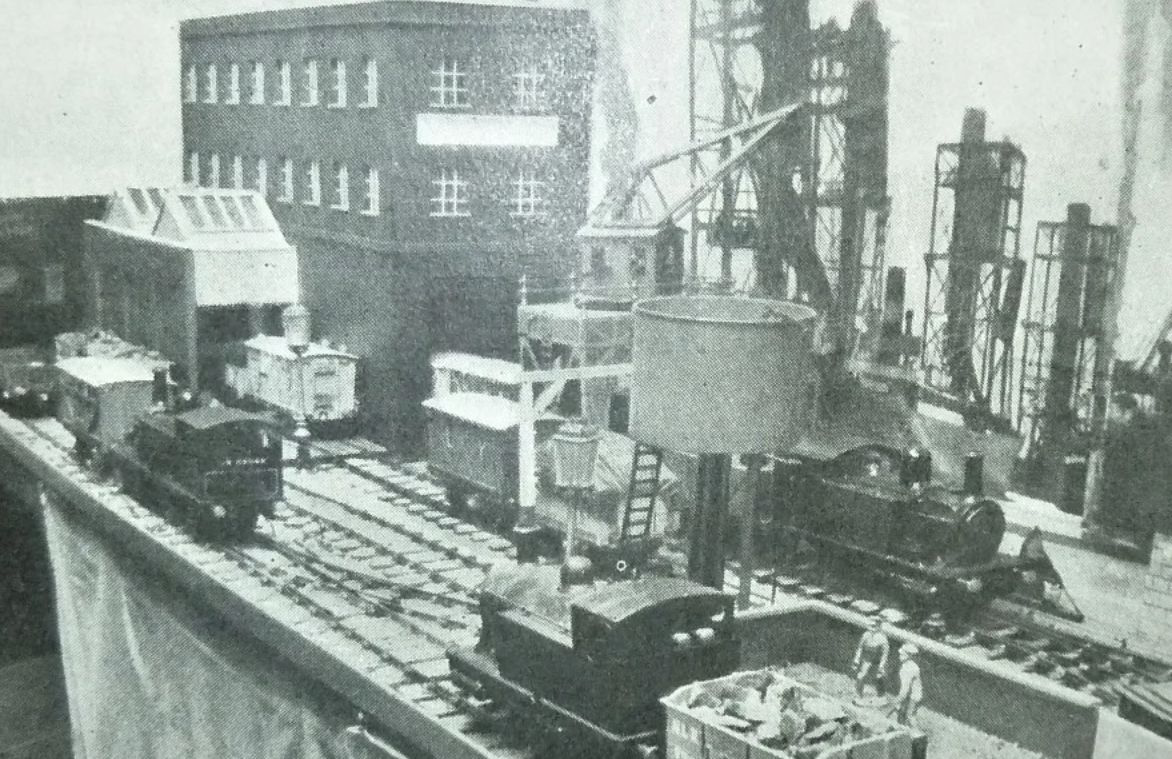
In some ways I feel that this period may be the most pure expression of what I enjoy about railways – niche, outdated, unpopular and heartwarming.

Thought I have a few bits of Clockwork 0 – it’s not really a scale that appeals to me, with a lot more ‘modelling’ and a lot less ‘engineering’ – ending up with the worst of both worlds.
2.5″ / Gauge 3 fits in a similar position albeit between scenic- and passenger-hauling railways – slightly too small to be useful on a club track or in a group setting for carrying people around, but slightly too large to be feasible for all but the largest gardens as a raised railway.
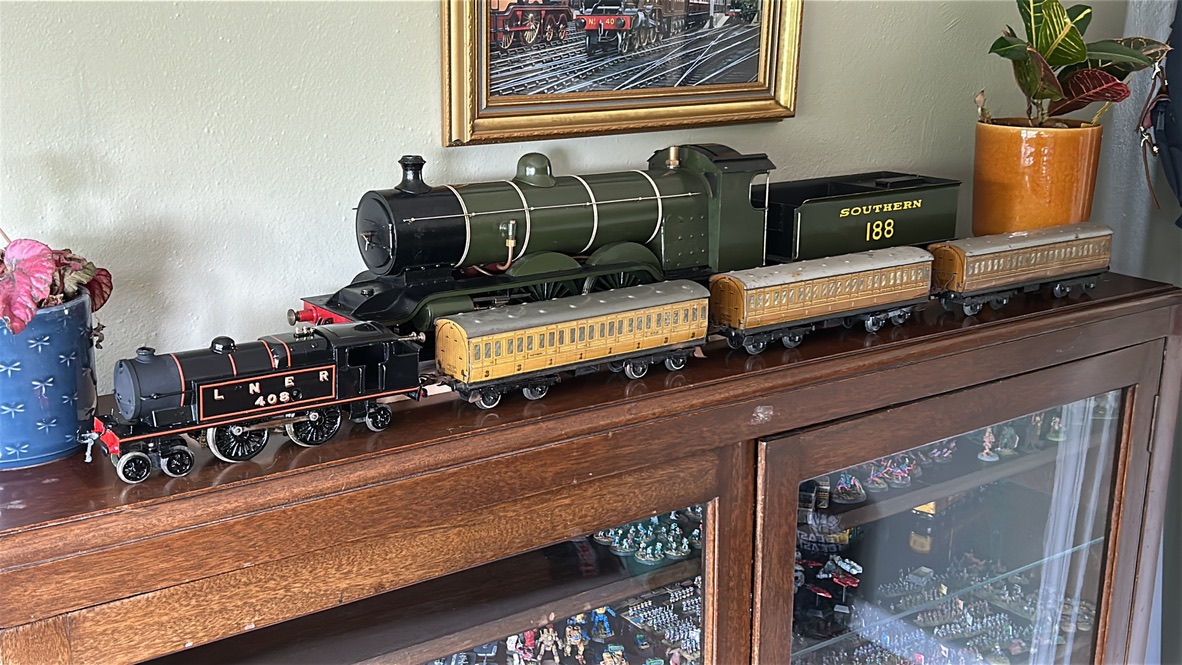
Though I have dabbled in many scales, I feel that the natural equilibrium sits in Gauge 1. Time will tell!
 Interlocking
You must be logged in to post a comment.